Lip Tie Treatment: When To Wait, and When To Be Proactive
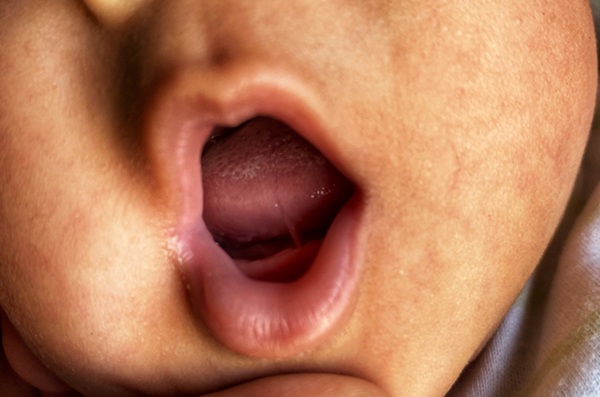
Are you worried that your child needs lip tie treatment? This treatment helps support healthy oral development and prevents functional issues. While some children do not need immediate treatment, an evaluation by a pediatric dentist can help determine whether to monitor the tissue or perform the procedure. Understanding the options allows families to make decisions with confidence.
Understanding a lip tie
A lip tie occurs when the tissue that connects the upper lip to the gums (the frenulum) is unusually thick, short, or tight. In infants and young children, this condition can restrict their normal lip movement and oral function. A pediatric dentist evaluates the appearance of the tissue and its effects on the young patient’s feeding, oral hygiene, speech development, and dental growth.
When to wait for lip tie treatment
In many cases, lip ties are relatively mild and do not cause significant issues. For example, children who eat comfortably, maintain good oral hygiene, and show healthy oral development do not need immediate treatment. In these situations, the pediatric dentist will likely recommend routine checks during dental visits. Observation allows the dentist to monitor the young patient’s oral health while avoiding unnecessary procedures.
Natural growth can also change the position and flexibility of the child’s mouth tissues over time. As the patient ages, the pediatric dentist considers the patient’s age, signs of restriction, and overall oral health before recommending lip tie treatment. This approach ensures that the decisions about the patient’s treatment focus on their function and appearance.
When the pediatric dentist may recommend a proactive approach
Certain symptoms indicate that parents should address a lip tie sooner rather than later. A restrictive tie can create daily limitations for a young child. Here are signs that require professional attention and treatment:
- Poor latching while breastfeeding
- Gaps between the upper front teeth.
- Struggles to clean near the gumline
- Frequently irritated upper lip tissue
- Heavy plaque buildup
- Discomfort or pain during normal mouth movement
A restrictive lip tie can lead to plaque buildup, making everyday oral hygiene difficult. Over time, this issue raises the risk of cavities or gum inflammation.
Fortunately, early lip tie treatment reduces these complications and supports better dental health. The decision to proceed with a lip tie treatment is based on a full exam rather than a single symptom. Rather, the pediatric dentist considers the whole picture before making recommendations.
Lip tie treatment options from a pediatric dentist
When a pediatric dentist determines that treatment is necessary, there are several lip tie treatment options to release the tight tissue and improve the child’s oral hygiene and function. This procedure is called a frenectomy. The traditional method uses sterile surgical scissors or a scalpel to quickly sever the restrictive band of tissue. In some cases, the pediatric dental team will suture the area.
Alternatively, many pediatric dental offices now offer laser frenectomies. The laser also removes the tissue. However, this treatment method minimizes blood loss and promotes a quick recovery without the need for sutures.
Make an informed decision about your child’s dental care
Every child has unique needs. Some lip ties benefit from careful observation, while others respond better to immediate treatment. A professional assessment by a pediatric dentist provides the guidance you need to choose the best possible path for your child’s dental care. If you would like to discuss our lip tie treatment options, schedule a consultation at our Glen Ridge office today.
Request an appointment here: https://www.littlesproutspd.com or call Little Sprouts Pediatric Dentistry at (973) 995-9600 for an appointment in our Glen Ridge office.
Check out what others are saying about our services on Yelp: Lip Tie Treatment in Glen Ridge, NJ.
Related Posts
A frenectomy is a common and safe pediatric dental procedure to address a tongue-tie pr lip-tie, which can impede a young child's feeding, speech, and oral development. It is natural to have concerns about your child's upcoming procedure. Our team is here to provide the information you need to go into the frenectomy with confidence…
Kid-friendly dentists offer general dental services. This includes diagnostic, preventive, and restorative dental care. Many kid-friendly dentists offer early orthodontic care, as well. Understanding a kid-friendly dentist’s services can help parents decide if a visit is worth it for their children.Not all kid-friendly dentists offer the same services; therefore, parents need to check with the…
Dental crowns are important in pediatric dentistry. Each primary tooth is a living guide for the development of permanent teeth. But baby teeth can also suffer from decay. So restoring these teeth is important for the general health of your child. If you want to know if pediatric dentistry uses dental crowns, here are the…
Fluoridated water is part of pediatric dentistry. It is a convenient and easy way to strengthen and protect teeth at an early age. Many areas have fluoridated water, which is a definite advantage. If you want to know why a dentist will likely recommend fluoridated water, here are the details.Studies show that almost all sources…
